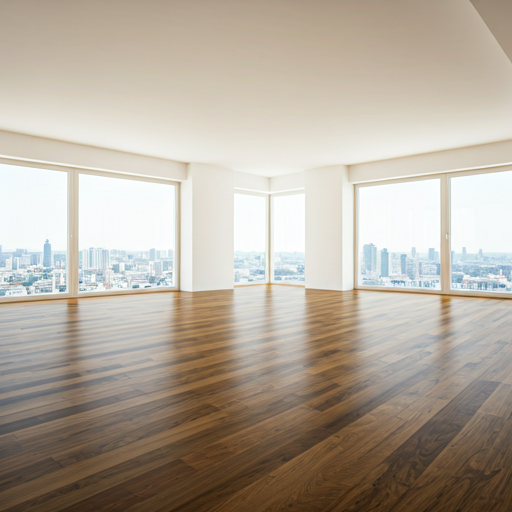
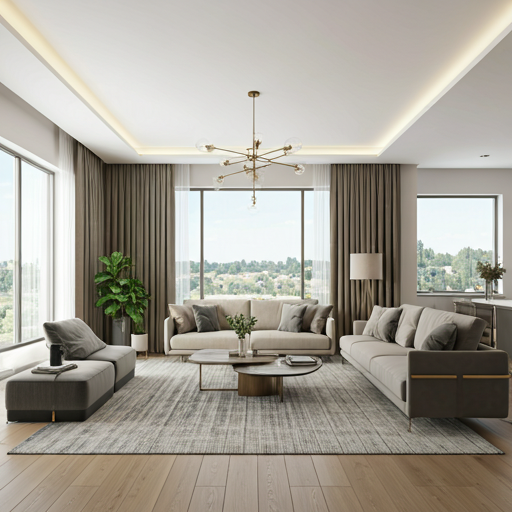
The Great Staging Debate
For years, physical staging was the undisputed king of luxury real estate. The tactile experience of walking through a curated space was thought to be irreplaceable. However, as 97% of home searches now begin online, the digital first impression has become the most critical pivot point in a sale.
Virtual staging has evolved from simple 2D overlays to hyper-realistic 3D renderings that are indistinguishable from photography. But does the digital allure translate to actual closings?
Cost Breakdown per Room
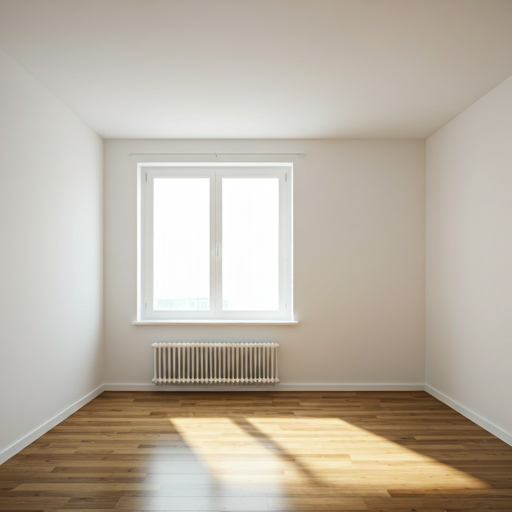
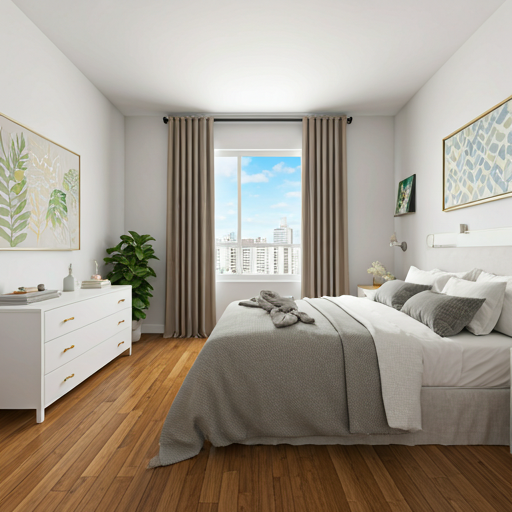
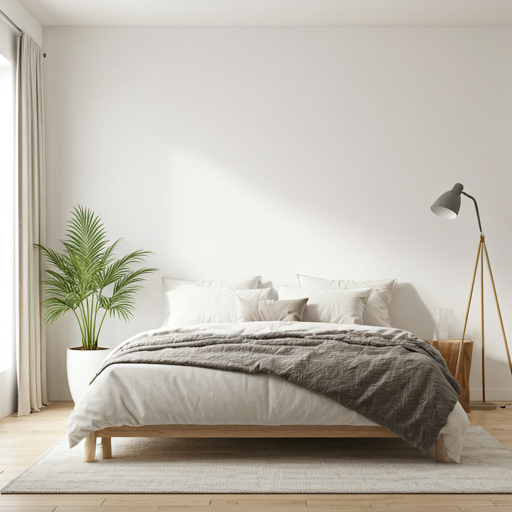
Comparing the visual fidelity across different staging modalities.
The 73% Faster Sales Metric
Statistics from the National Association of Realtors (NAR) suggest that staged homes sell up to 73% faster than non-staged counterparts. While physical staging offers the benefit of on-site visualization, virtual staging provides the ability to show multiple possibilities—contemporary, transitional, or traditional—to the same prospective buyer.
Camera-Optimized Staging: The Science Behind the Lens
When staging a home specifically for photography, the approach differs fundamentally from staging for open house foot traffic. The camera is a demanding client that exposes imperfections the human eye can forgive. A professional photographer working in real estate understands that furniture scale, spatial relationships, and color psychology must be calibrated to the lens, not to the viewer standing in the room.
In the Bay Area's competitive luxury market, staging specifically for photography has become a non-negotiable advantage. Properties in San Francisco, Palo Alto, and Marin County that employ camera-optimized staging techniques see 34% more qualified showings within the first two weeks of listing.

Furniture Scale & Spacing for the Lens
The cardinal rule of photography-first staging: avoid oversized furniture. A sectional sofa that fills a room in person will photograph as cluttered and cramped, making the space feel smaller than it is. Conversely, undersized pieces in a large room create visual emptiness that translates poorly to a 2D image.
For Bay Area luxury homes, this means selecting transitional, mid-scale furnishings that create visual interest without dominating the frame. A carefully selected accent chair, area rug, and side table tell a story of lifestyle without overwhelming the architectural features you're trying to showcase.
Color Palettes That Photograph
Colors that look stunning in person may fall flat or appear oversaturated in photographs. Whites can blow out under professional lighting. Deep jewel tones can disappear into shadow. The most photogenic interiors use a restrained palette: warm whites, soft grays, and natural wood tones as the foundation, with pops of color introduced through accessories.
For luxury Bay Area properties, the trend leans toward "warm minimalism"—spaces that feel refined and intentional rather than sparse. Whites and creams should have warmth (ivory, off-white) rather than clinical brightness. A single accent color, often a muted sage, terracotta, or warm gray-blue, draws the eye and creates visual interest without competing with the architecture.
Virtual Staging vs. Physical Staging Costs in the Bay Area
For agents working with luxury property staging companies in San Francisco, Palo Alto, and Silicon Valley, the cost differential between physical and virtual staging has become a critical decision point. A full physical staging for a 4-bedroom, 3-bath property in the Bay Area runs $8,000–$15,000 per month. Virtual staging of the same property costs $1,200–$2,400 total, with turnaround in 24–48 hours.
The strategic advantage: virtual staging allows agents to show multiple design concepts without re-staging the physical space. A contemporary look, a traditional look, and a minimalist aesthetic can all be presented to different buyer segments instantly.
Understanding AB 723 Compliance
New legislative standards, including AB 723, require full transparency in real estate marketing. When using virtual staging, listing agents must include a clear disclosure on all marketing materials. NS Visuals Estate provides a compliant "Virtually Staged" watermark on every image to ensure your listing remains legally sound while looking spectacular.
Download Compliance GuideHow to Brief a Stager for Photography Success
Whether you're hiring a physical stager or working with our virtual staging team, clear communication is essential. Share your photographer's shot list and specific angles in advance. Discuss which rooms will be photographed and which can remain less polished. If using professional staging, provide color palettes that align with your target buyer demographic.
For Bay Area luxury properties, top staging professionals understand that subtle, sophisticated design sells better than statement pieces. They know that in San Francisco's tech-forward market, clean lines and minimal clutter appeal to educated buyers. They also understand the importance of showing lifestyle—a coffee table book, a carefully chosen vase, a light throw over a sofa—without creating visual noise.
The Bay Area Staging Landscape
Leading real estate staging companies across the Bay Area—from San Francisco to Palo Alto to Marin County—now offer hybrid services. They provide in-person consultations and strategic virtual staging for secondary rooms, maximizing both impact and budget. Many of the top staging professionals understand the nuances of Bay Area luxury markets: the minimalist aesthetic preferred by tech buyers, the classical elegance valued in Marin, the mid-century modern sensibility of Palo Alto.
NS Visuals Estate works closely with trusted staging partners who understand that a photograph-ready space is also a show-ready space. The two are complementary, not contradictory.
The Verdict
For most listings, a hybrid approach yields the best ROI. Use virtual staging for your initial digital rollout to capture the widest audience, and reserve physical staging for key "high-touch" rooms like the primary suite and living area if the budget allows.
The future of luxury real estate marketing isn't about choosing between physical or virtual staging—it's about strategic deployment of both. Photograph-optimized staging isn't a luxury; it's a necessity in a market where 97% of buyers begin their search online and form first impressions in seconds.